BSc Cosmetic Science
About this course
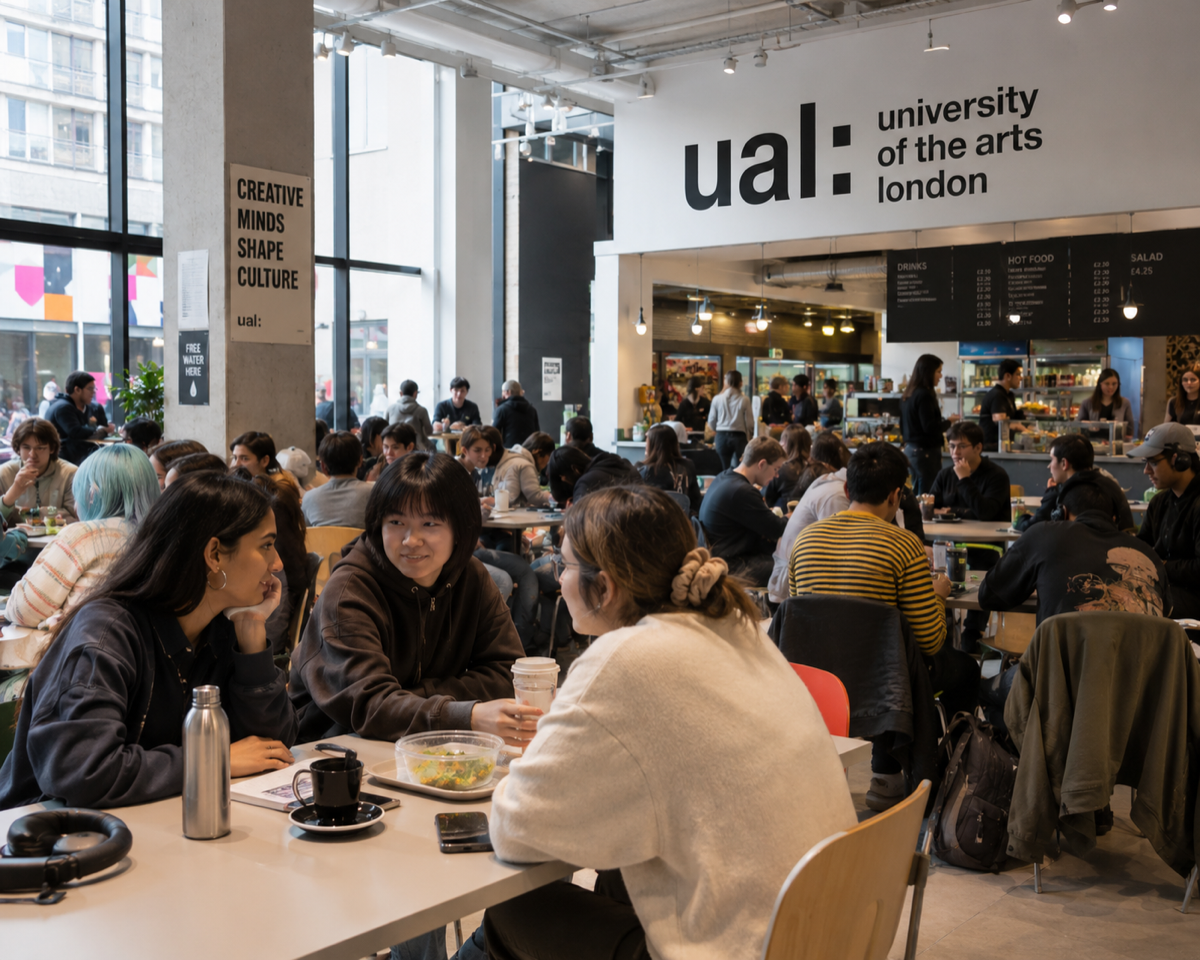
Cosmetic science is a discipline that brings together chemistry, biology, and formulation technology to understand and develop the products that people use every day. Skin creams, shampoos, sunscreens, colour cosmetics, and fragrances are all the product of sophisticated science: their effectiveness, safety, and sensory properties depend on a deep understanding of ingredient chemistry, skin biology, and the techniques of formulation development. Cosmetic science also encompasses regulatory affairs, product testing, and quality assurance, making it a degree with clear and direct industry relevance. At the University of the Arts London you will study across four years on a full-time programme, with a sandwich year that places you in a professional environment and work placement activity integrated throughout. UAL's distinctive positioning at the intersection of science and creative industries gives this degree an unusual character: you will develop rigorous scientific knowledge alongside an understanding of the cultural, aesthetic, and commercial dimensions of the beauty and personal care sector. The sandwich year is one of the most valuable features of the programme, giving you sustained experience in a cosmetic company, contract laboratory, or research and development environment before your final year. You will study ingredient chemistry, formulation science, skin and hair biology, product evaluation and testing, and the regulatory frameworks that govern cosmetic development and marketing in the UK and internationally. Graduates of cosmetic science are in demand across the beauty, personal care, and pharmaceutical industries. Roles in formulation development, product evaluation, regulatory affairs, quality control, and technical marketing are all common directions. Contract research and testing organisations, ingredient suppliers, and specialist cosmetic laboratories also recruit graduates with this background. The growing consumer interest in sustainable and natural cosmetics is creating additional demand for scientists who understand ingredient safety, biodegradability, and environmental impact. Further study at postgraduate level in cosmetic science, pharmaceutical science, or formulation chemistry is available for those who wish to specialise further or pursue research.
Syllabus & Modules
Typical curriculumStudent Satisfaction
National Student Survey - 35 respondents (97% response rate)
Similarly Ranked Alternatives


What comes next? 🎓
Choosing the right university starts with choosing the right school. Explore transparent, data-driven school profiles powered by official DfE statistics.
Explore Schools on WhatSchool.ai →